
Location Scouting Scotland: 8 Steps to the Perfect Spot
Every great film you have ever watched started life as a recce. Long before the camera rolls, somebody has walked the ground, watched the light fall and asked the awkward questions about parking, power and whereabouts the sun will be at four in the afternoon. Location scouting Scotland is that discipline, applied to one of the most location-rich countries on earth, and done well it is the difference between a shoot that runs and a shoot that survives. At BrightWolf Films we scout constantly, from Edinburgh closes to Hebridean beaches, and this guide shares the eight steps we go through before we ever recommend a location to a client.
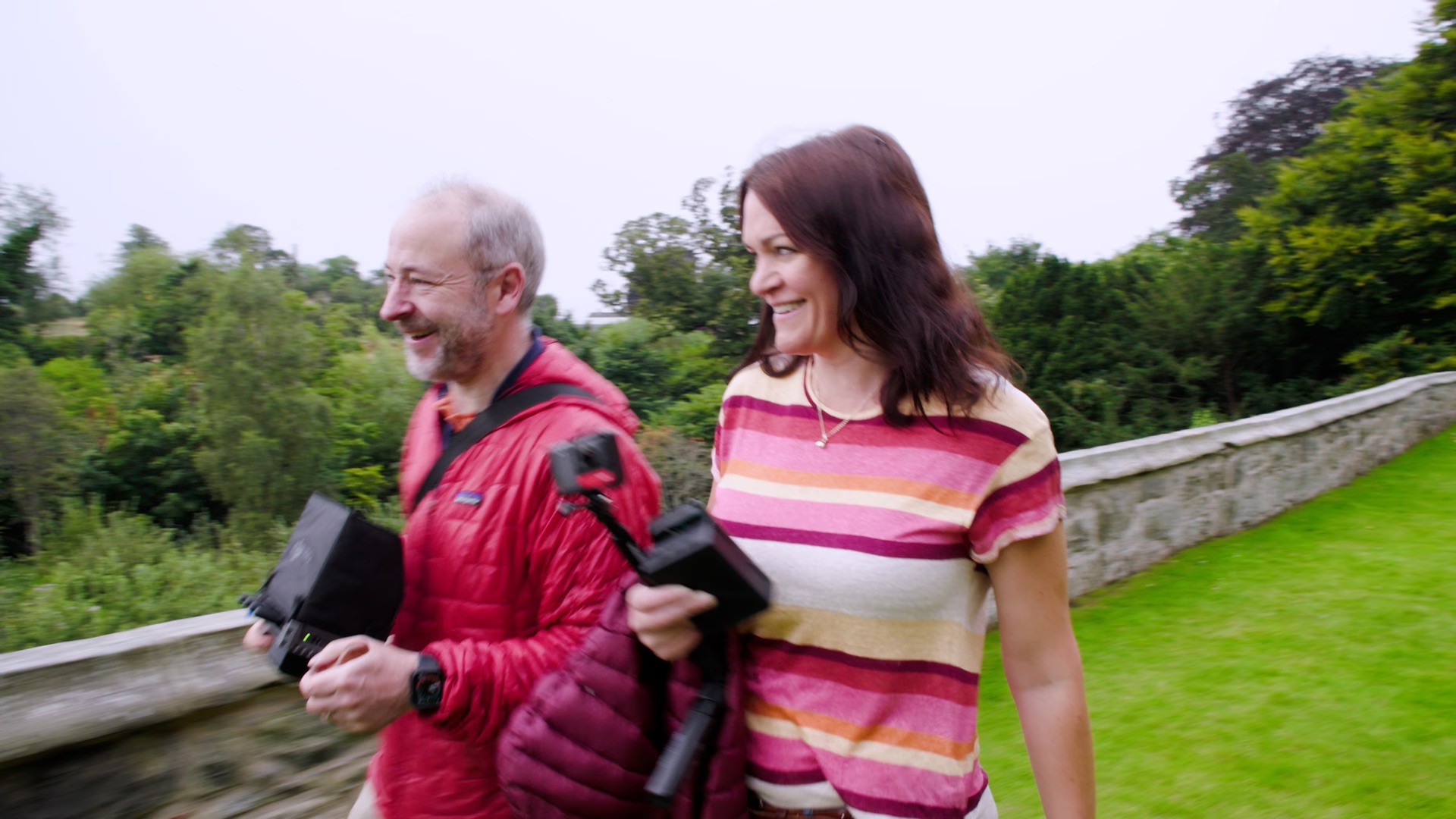
Why the recce decides everything
A location is never just a backdrop. It is where your crew will park, where the talent will wait, where the generator will sit, where the rain will send you when the weather turns. A stunning view with no access is a photograph, not a location. Scouting is the process of turning a pretty place into a practical one, and the earlier you do it, the cheaper every decision that follows becomes. Change a location after the budget is signed off and you re-price the crew, the kit, the travel and the schedule. Change it at the recce stage and you move a pin on a map.
1. Start with the story, not the scenery
Before anyone opens Google Maps, be clear what the film actually needs. A whisky brand film might need weather and wilderness; a corporate interview might need quiet, controllable interior space twenty minutes from an airport. Scotland offers both and everything between, but the right location is the one that serves the brief, not the one that looks best on a mood board. Write down what the location has to do dramatically and logistically, then scout against that list.
2. Scout on paper first
Desk scouting saves days in the field. Film office location libraries, previous shoot records and aerial imagery will narrow a hundred possibilities down to a shortlist of three or four. Screen Scotland helps productions navigate locations across the whole country, and regional film offices maintain galleries of registered, film-aware venues. Only once the shortlist exists do we get in the van – and even then the desk work continues, because tide tables, sunrise angles and road timings are all researchable before you leave the office.
3. Visit at the time you will shoot
A location at ten in the morning is a different place at four in the afternoon. Light direction, traffic noise, school runs, dog walkers and tour buses all run on a schedule, and the only way to see them is to be there when your shoot would be. If the schedule is flexible, this visit is where you decide whether the scene wants morning or afternoon. On BrightWolf recce days we photograph the same spot from every camera position we are considering, so the director and client can already frame shots before the shoot day.
4. Check access, permissions and neighbours
The question that kills more Scottish locations than any other is simply: who owns it, and will they say yes? Land ownership in Scotland is a patchwork of estates, councils, trusts and private owners, and filming permissions are separate from access rights. Ask early, get agreements in writing, and talk to the neighbours – a friendly farmer with a spare field for unit parking is worth more than a famous viewpoint. For shoots in the capital, Film Edinburgh supports productions with permits, resident liaison and crewing, which takes much of the friction out of city locations.
5. Logistics: power, parking, weather cover and loos
Unromantic, decisive stuff. Where does the van park? Is there three-phase power or do you bring a generator? Where does the crew shelter when it rains, and where does the makeup artist sit? A remote beach with a two-mile carry for kit changes the crew day, the equipment list and the budget. The BrightWolf rule of thumb: every location needs an answer for power, parking, weather cover and welfare before it goes on the recce report. If a location cannot answer all four, we either solve it or we keep looking.
6. Write the recce report your future self will thank you for
A good recce report is a production plan in disguise: photographs from camera positions, access notes, sunrise and sunset times, tide times if relevant, mobile signal, nearest fuel, nearest hospital and the local contacts who said yes. When six people read that document the night before a shoot, the shoot day starts calm. When nobody wrote it, the day starts with forty minutes of decisions that should have been made a week ago.
7. Always have a plan B location
Scotland’s weather does not negotiate. Every schedule we build pairs each key location with a covered alternative within reasonable driving distance, and every exterior scene has an interior version that could be shot if the sky closes in. This is not pessimism; it is why our shoot days stay on budget. Clients occasionally ask whether the backup is really necessary. It has been necessary on more than one memorable Islay afternoon.
8. Scout again with a drone when it matters
For aerial-heavy work the recce has a second act: a drone recce to confirm flight lines, distances and sightlines before the shoot day. Checking airspace, overflight permissions and take-off ground on the recce saves the most expensive kind of surprise – discovering on the day that the one shot the client really wanted needs a permission that takes a week. It is the same discipline that runs through the rest of this list: do the thinking early, on the ground, where changes are free.
What the recce looks like in practice
A recent example of why all this matters: BrightWolf Films shot a social campaign film for Ardbeg with Dr Bill Lumsden and DJ BBQ on Islay, completing the whole shoot in a single day despite genuinely wild weather. That schedule only worked because the location work – access, cover, timing and a weather plan – was settled before anyone boarded a ferry. While this film was made for a whisky brief rather than a scouting one, it shows exactly what a well-scouted location lets a crew do when the clock is running.
Watch the film: BizarreBQ Limited Edition
You can read more about the project on our BizarreBQ case study page, and if you want to see how we think about Scottish places more broadly, our Big Five episode on historic Edinburgh filming locations walks the city’s most cinematic corners.
How BrightWolf Films approaches location scouting Scotland
BrightWolf Films is an Edinburgh-based production company working across Scotland, and location scouting Scotland is a service we fold into every production we run – from the first desk scout to the recce report, the permits and the plan B. If you are planning a shoot here and want the location work handled by people who drive these roads every week, start with our Edinburgh video production page or our video services overview. For a deeper dive into one of Scotland’s most productive filming regions, our interview with Julie Craik of Fife Screen and Tay Screen on filming locations in Fife, Dundee and beyond is packed with practical scouting insight.
The perfect Scottish location is out there. It just takes eight steps, one good recce report and a plan B to make it yours.


