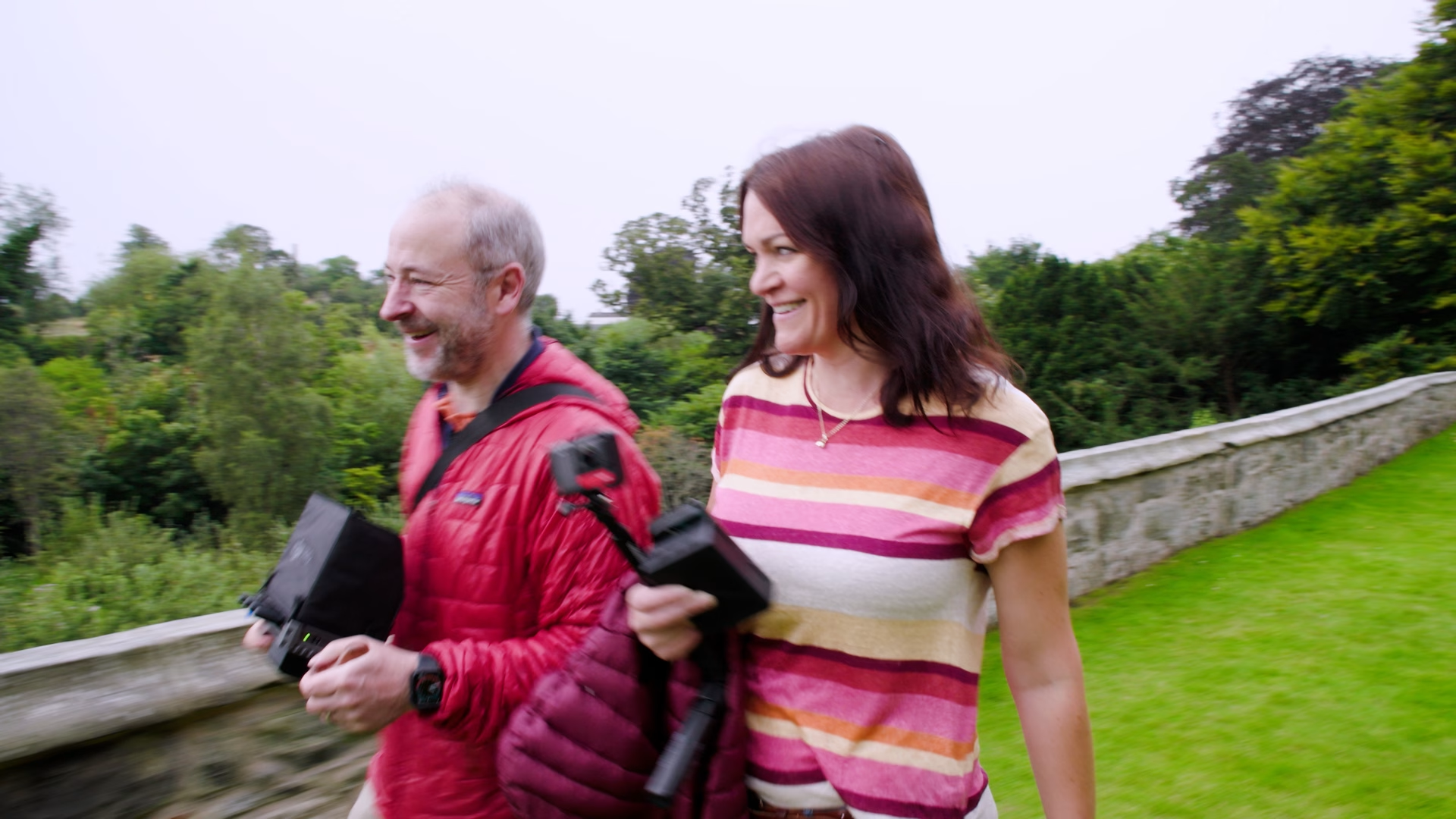
Scottish Filming Locations, Tayscreen and FifeScreen – How TayScreen and FifeScreen can help you make the next blockbuster or even minibuster!
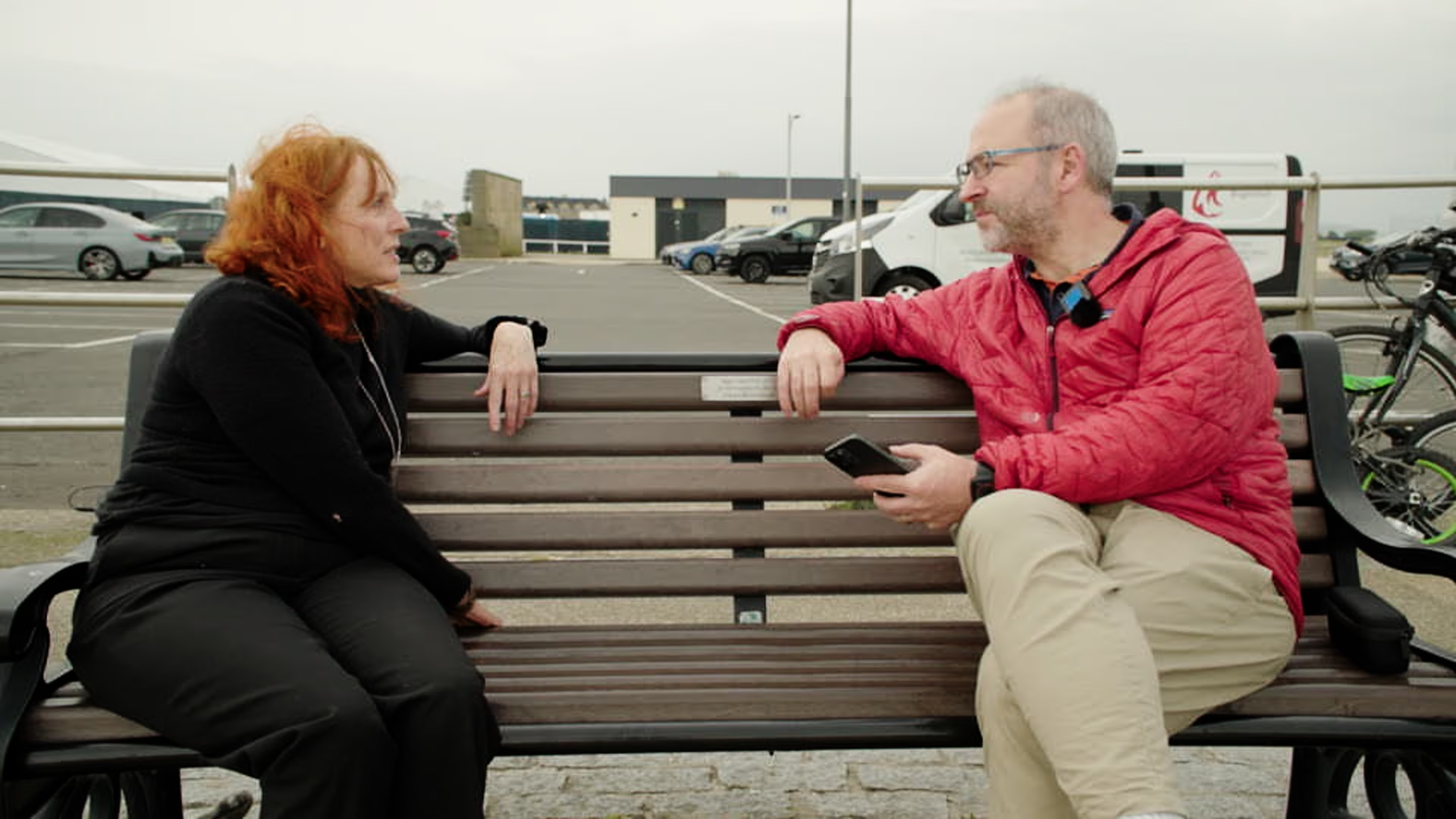
Save In this interview special Magnus Wake chats with the irrepressibly knowledgeable Julie Craik (who heads Fife Screen & Tay Screen Scotland) about why Fife, Dundee, Angus, Perth & Kinross form a cinematic playground that’s equal parts historic grandeur, coastal drama, innovation hub and production‑friendly haven. If you are scouting fresh Scottish horizons, chasing tax efficiencies, puzzling over permissions, flirting with virtual production, or plotting the next glossy fashion, automotive, drama or factual shoot – settle in.
Scottish Filming Locations, Tayscreen and FifeScreen
In the latest episode of the BrightWolf Big Five, host Magnus Wake sits down with Julie Craik, the dynamic head of Tayscreen, to explore the untapped potential of Scotland’s Fife region as a prime filming destination. With a rich cinematic history that includes iconic productions like Star Wars: Andor, The Crown, and Outlander, Julie is on a mission to promote Fife and its surrounding areas—Angus, Perth and Kinross, and Dundee—as a vibrant hub for filmmakers.
Julie passionately describes the region’s breathtaking landscapes, which range from rugged coastlines and pristine sandy beaches to majestic castles and cutting-edge contemporary architecture. “We offer a diverse array of locations that can cater to any production’s vision,” she notes, highlighting the area’s ability to blend the historic with the modern.
Tayscreen provides a wealth of support services for productions of all sizes, from major film crews to smaller TV projects. Their offerings include assistance with location scouting, securing permits, and navigating the complexities of funding. Remarkably, all these services are provided free of charge, as part of a broader effort to stimulate local economic development through the film industry.
Julie also sheds light on funding opportunities available through the BFI and Screen Scotland, guiding filmmakers in accessing essential resources. “We’re here to help filmmakers realize that they can be part of this thriving industry right here in Scotland,” she emphasizes.
For those looking to shoot in this stunning region, Julie encourages filmmakers to reach out to her team. With Tayscreen’s support, the possibilities are endless. Tune in to the BrightWolf Big Five for more insights into Scotland’s cinematic landscape and discover why this region should be at the top of every filmmaker’s list.
The full transcript is below.

Useful Links:
Official Scottish Film Organisations:
Abertay University Viper Room
Screen Scotland
Film Edinburgh
TayScreen and FifeScreen
Other Useful Sites
BrightWolf Films ( our brand, commercials): www.brightwolf.co.uk
Encaptivate Films (drama and broadcast): www.encaptivate.co.uk
Film Bang (Scotlands Online directory for crew and producers): www.filmbang.com
Transcript
Magnus:
Hello and welcome to another episode of BrightWolf Big Five. We’re doing an interview special with Julie Craik, who is the head of Tayscreen.
Julie:
I’m Julie Craik, and I run FifeScreen and Tayscreen Scotland, which is the screen office covering Fife, Angus, Perth and Kinross, and Dundee. Essentially, my role is to promote the region to attract production and provide free support to help people come and film in this fabulous area.
So, to start us off, let’s talk about some of the great productions that have taken place in this region.
Julie:
Of course, we date back to classic films like Chariots of Fire, but since I’ve been in this role, we’ve had productions like Star Wars: Andor and The Crown. We’ve also seen a huge amount of Outlander, for which I am very grateful. Additionally, we’ve hosted Christian Dior at a German castle in Perth, along with various fashion labels like Porsche, Vogue, and Stella McCartney.
We’re also thankful for all the daytime TV productions, such as Escape to the Country, showcasing alternative places to visit and things to do. We truly appreciate all the production activity that has come our way.
Magnus:
It’s a very varied area, isn’t it? You have everything from rocky coastlines and beautiful sandy beaches to glorious forestry, mountains, and amazing castles and palaces.
Julie:
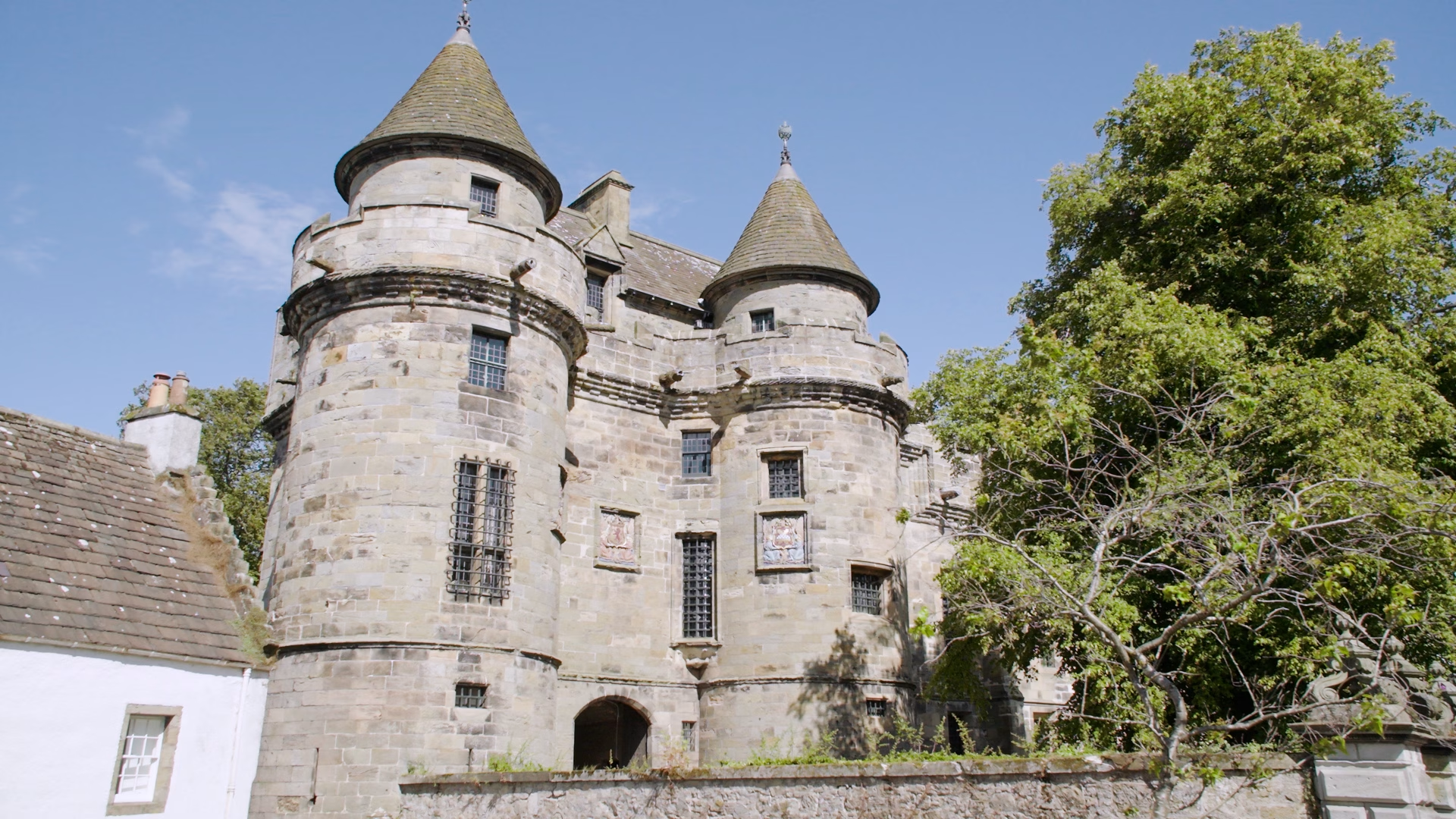
Yes, places like Scone Palace and Falkland Palace here in Fife are absolutely wonderful. It’s also worth mentioning the contemporary sites, like the V&A in Dundee and the new buildings that have sprung up in Fife, which provide a very modern look. Dunfermline, recently designated a city despite its long history, offers a fantastic mix of contemporary and historic locations.
We’ve also added virtual production to our roster, with facilities in Dundee, which is the hub for the CoStar virtual production programme funded by the UK government.
Magnus:
What size of production should be getting in touch with you, and what size are you able to accommodate?
Julie:
Absolutely, we can assist with pretty much anything apart from purely private filming. We even help the odd influencer if they need particular permissions. We cater to large productions like Star Wars: Andor and Christian Dior, as well as factual daytime TV, documentaries, fashion shoots, and commercials—both still and moving images. We aim to be helpful even for arts-type projects, as long as there’s a plan for distribution, even if it’s not yet in place.
Magnus:
What services do you provide as support?
Julie:
We help with nearly everything across the board, whether it’s at the pre-production development stage, during production, or even post-production. For production, we assist with location scouting. While we don’t want to replace location managers, we offer ideas to help filmmakers consider if it’s worth coming here. We always recommend hiring a location manager or scout, but we can help those professionals with suggestions and services.
We also assist with research or connecting filmmakers with participants, such as talking heads. In the pre-production stage, we can help develop ideas and pitch proposals, especially for companies with limited experience.
If people are looking for post-production space, we can help them find it and even set up temporary post facilities if needed.
Magnus:
Does it cost productions to use your services?
Julie:
Our services are completely free. This is because we’re part of the economic development activity in the region. While we support creative and artistic projects, there’s a serious economic development aspect as well. The various councils I report to are thrilled to support production as it brings people here and promotes the region for tourism, economic growth, and social development. It helps people realise that the production sector is accessible and that they can be part of it—it’s not just for a select few.
Magnus:
What about road closures?
Julie:
We generally have two options: full road closure or road control. Road control involves traffic lights where traffic can be held temporarily. There is a mandatory six-week notice period for full road closures, which is a legislative requirement. Fortunately, the roads teams at the different councils are incredibly supportive and eager to engage in discussions early on if road closures are needed. Most of the time, road control is sufficient.
Sometimes, when filming in public spaces, it’s useful to contact us beforehand, as public spaces aren’t always what they seem.
Magnus:
Absolutely. People can often confuse what is public and what isn’t. For example, they might see a location that appears open to the public, like St. Salvatore’s Quad, and assume they can film there. However, they need permission from the owner or manager of that location. The same applies to ports and harbours.
Julie:
That’s correct. For most low-impact requests, we can often grant permissions quickly, sometimes overnight. For larger projects, however, more time is required to discuss plans and ensure the right permissions are obtained, especially regarding parking and unit space.
Magnus:
Parking is crucial. Sometimes for small crews, it’s quicker to pay for parking rather than navigate more complicated arrangements, as it offers complete flexibility. But for larger setups, you’ll need more support.
Julie:
Exactly. I’ve seen film crews attempt to film in train stations, thinking they’re public spaces, only to find out they’re owned by Network Rail and require permission. The same goes for shopping malls, which may seem public but often have restrictions. It’s always a good idea to have conversations with the relevant parties.
Magnus:
Is there any funding available for filming in this region?
Julie:
We don’t have local funding, but we are a qualifying area for funding from the BFI and the screen tax credits offered by the UK government. In Scotland, people can apply to Screen Scotland, part of Creative Scotland, for funding support. We can help point people in the right direction and have assisted with applications for tax credits, as there are technical aspects to consider. We advise involving a professional for this, but we’re happy to provide guidance and input for applying for various funding opportunities.
Magnus:
Thank you very much, Julie. This has been absolutely great. Anyone interested in filming in this region should get in touch with you and your team. A website will appear on screen shortly. Thank you again, and catch you next time on BrightWolf Big Five. We aim to bring you more locations, so please support the channel by liking and subscribing. See you next time!