Film Crew in Scotland: 8 Roles Behind Every Great Shoot
Book a shoot in Scotland and the first questions after ‘where’ and ‘when’ quickly become ‘who’. A film crew in Scotland can mean a two-person documentary unit or a forty-strong commercial crew, and the difference shows up in your budget, your schedule and, eventually, on your screen. BrightWolf Films crews productions across Edinburgh, Glasgow and the Highlands, from brand films and music videos to live broadcasts, so here is a plain guide to the eight roles you are actually paying for, where Scottish crew talent comes from, and how to size a crew to the job rather than to habit.
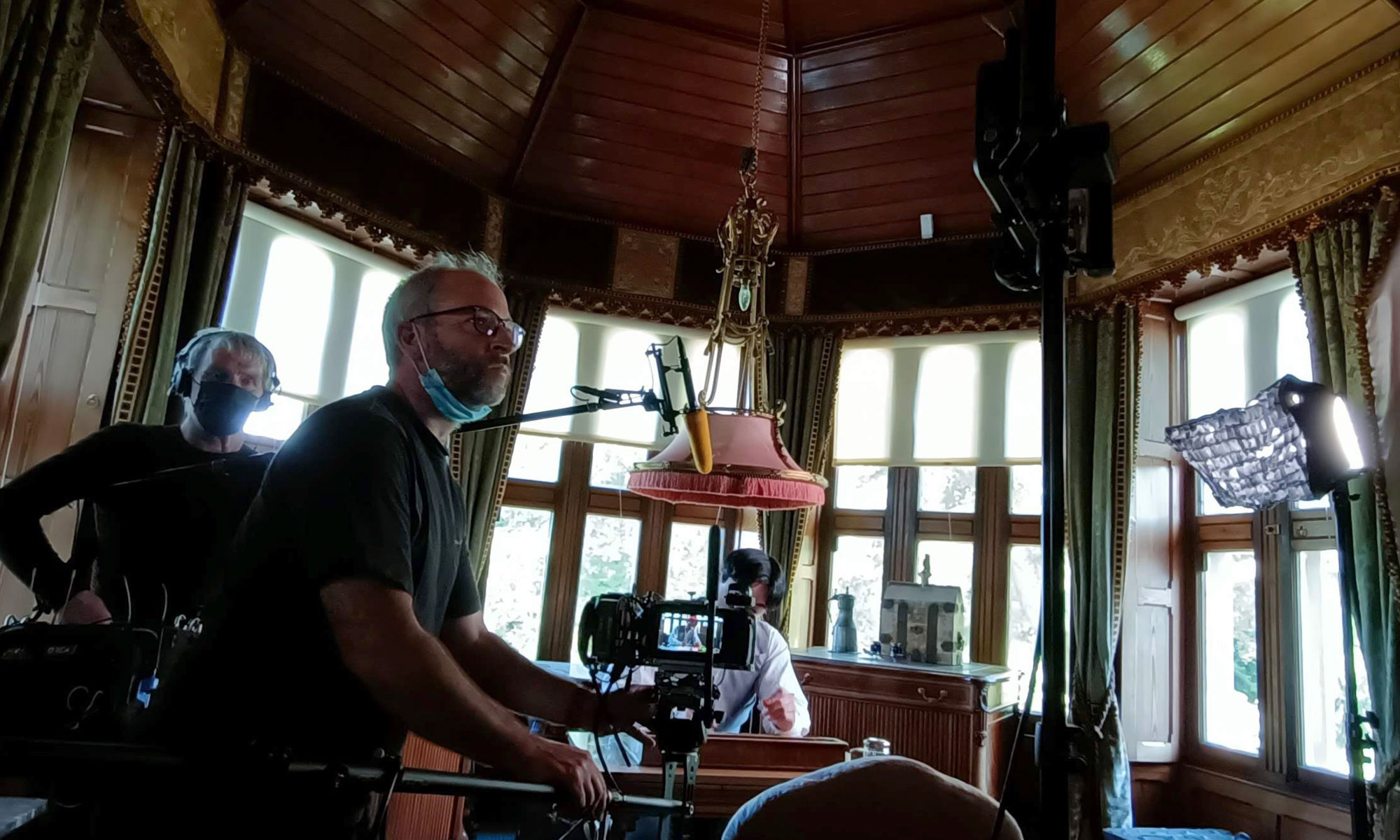
The eight roles behind every great shoot
- 1. The producer. Owns budget, schedule and risk, and is the person who turns a creative idea into a booked, insured, achievable shoot. If you only remember one name from your crew sheet, remember theirs.
- 2. The director. Carries the creative: performance, coverage, tone. On smaller shoots the director and producer are the same person, which works until the schedule and the story start arguing.
- 3. The director of photography. Decides how the film looks and runs the camera department: lensing, lighting mood, camera movement and the look that makes a Scottish location feel cinematic rather than merely scenic.
- 4. The camera assistant. Focus pulls, media management, kit wrangling and the quiet anticipation that keeps a shoot moving. Good assistants are worth their weight in batteries.
- 5. The sound recordist. Poor sound is the thing audiences forgive least and notice first. A dedicated recordist with the right radio mics and boom kit is the cheapest insurance on any interview-led film.
- 6. The gaffer and sparks. The lighting team. They turn a hotel room, a distillery floor or a draughty warehouse into something with shape and depth, safely and quickly.
- 7. The production manager or coordinator. Bookings, call sheets, catering, transport, permits and the hundred small decisions that decide whether people are standing in the right place at the right time.
- 8. The licensed drone operator. On modern shoots aerials are a camera department of their own, and in the UK that means a CAA-licensed operator with the right permissions, insurance and flight planning, not a hobbyist with a drone in a rucksack.
Where Scottish crew talent comes from
The crew base here has grown substantially over the past decade, driven by high-end drama, commercial and documentary work shooting across the country. Screen Scotland backs that growth with funding and skills programmes aimed squarely at building the next generation of crew, while organisations like the Scottish Documentary Institute train documentary filmmakers in Edinburgh and feed talented, flexible people into the wider production pool. Add the film offices in Edinburgh, Glasgow, Fife and beyond, which all hold crew and facilities directories, and the practical reality for a producer is straightforward: you no longer need to fly a full crew north to shoot in Scotland.
Matching crew size to the job
One of the most common mistakes clients make is either over-crewing a simple shoot or under-crewing an ambitious one. As rough guides: a corporate or brand film with a handful of interviews and some cutaway shooting usually runs with a crew of four to six; a scripted commercial with locations, talent and moving vehicles can easily run to fifteen or more once grip, art, styling and production support are counted; a documentary shoot can be two or three people with a car full of kit. Drone days add a dedicated operator and, on busy sites, a second person watching the airspace. The right answer depends on the film you want, and a good production company will tell you honestly where a smaller crew would serve you better.

Music video crews: small teams, big output
Music videos are where small Scottish crews punch hardest: compressed schedules, bold visuals and no room for a second take at sunset. BrightWolf’s head of production Simone Bett has produced videos for some of Scotland’s biggest artists, including producing a music video for Lewis Capaldi, and the pattern is always the same: a tight core of senior people who each cover more than one job, plus specialists brought in for exactly what the idea needs. It is a model that transfers neatly to branded content, where budgets are real but so is the ambition.
Case study: crewing a landmark documentary
Our big sister company Encaptivate Films recently produced The Great Game, a landmark historical documentary about the first international rugby match, played between Scotland and England in Edinburgh in 1871. Filming history on real Scottish locations means small units working fast in sensitive interiors: a lean crew of camera, sound and lighting, led by a producer who has already solved access, permissions and power before anyone arrives. That is what a well-drilled film crew in Scotland actually looks like on the ground, and it is the difference between footage you can cut and footage you wish you had.
Watch a compact crew deliver a broadcast standard
For a live example of what a small, experienced Scottish crew can do under pressure, take the launch of Glenmorangie’s Lighthouse Distillery. BrightWolf Films provided live streaming and event coverage for the launch: an outside broadcast rig capturing interviews and on-site footage, plus drone filming of the dramatic new building on the Dornoch coast, all cut and delivered for the brand’s channels.
Watch the film: Glenmorangie – Lighthouse Launch
While this film was made for a distillery launch rather than a scripted brief, it shows exactly the standard the right film crew in Scotland brings to a live event: broadcast-grade coverage from a compact team, delivered calmly on the day. There is more on the project in our Glenmorangie filming case study.
One more variable: the Scottish calendar
Crew availability and weather both move with the seasons, and they move together. Summer gives you long golden evenings and a crowded crew market, because everyone is shooting; winter gives you a quiet market, four hours of usable afternoon light and a fair chance of weather that rewrites your schedule. Neither is a problem if it is planned for, which is why experienced Scottish producers build cover days and interior alternates into the schedule from the start. If your shoot hinges on one exterior scene in one location, say so at the brief stage and let the crew plan around it.
What to check before you hire a film crew in Scotland
- Insurance. Public liability cover as standard, and confirmation that drone work is separately covered.
- Licences. For aerials, a CAA-registered operator with a valid flyer ID, not a friend with a drone.
- Weather cover. Scotland is gorgeous and unreliable; ask what happens to the schedule when the day turns.
- Named crew. Ask who is actually booked, and how deep the bench runs if someone falls ill.
- Transparent day rates. Crew, kit and overtime itemised, so the quote survives contact with reality.
Where BrightWolf Films fits
BrightWolf Films assembles and manages film crews across Scotland from our Edinburgh base, drawing on a trusted bench of directors, camera, sound and lighting talent plus licensed drone operators for aerial work. If you are planning a shoot and want a crew sized to the job rather than to habit, start with our video services overview or our corporate video page, and tell us what you are making, where and when.
A great film crew in Scotland is not the biggest one you can book. It is the one that turns up knowing the locations, the light and the plan, and makes your shoot day look effortless. That is the crew we build on every project.