
Aerial Photography Scotland: 8 Shots That Sell the Scene
Scotland does something strange to scale. A glen that looked modest on the drive in turns out to swallow a whole crew, a whole van and a whole day’s light. Aerial photography is how you get that scale onto screen without a helicopter and a prayer, and it is now a standard part of the kit list on brand films, tourism campaigns and documentaries across the country. At BrightWolf Films we treat the drone as one more storytelling tool, not a gimmick with propellers. The difference shows in the frame.
So what actually earns its place in the air? These are the eight shots we plan for most often, and why each one pulls its weight.
Why aerial photography works so well in Scotland
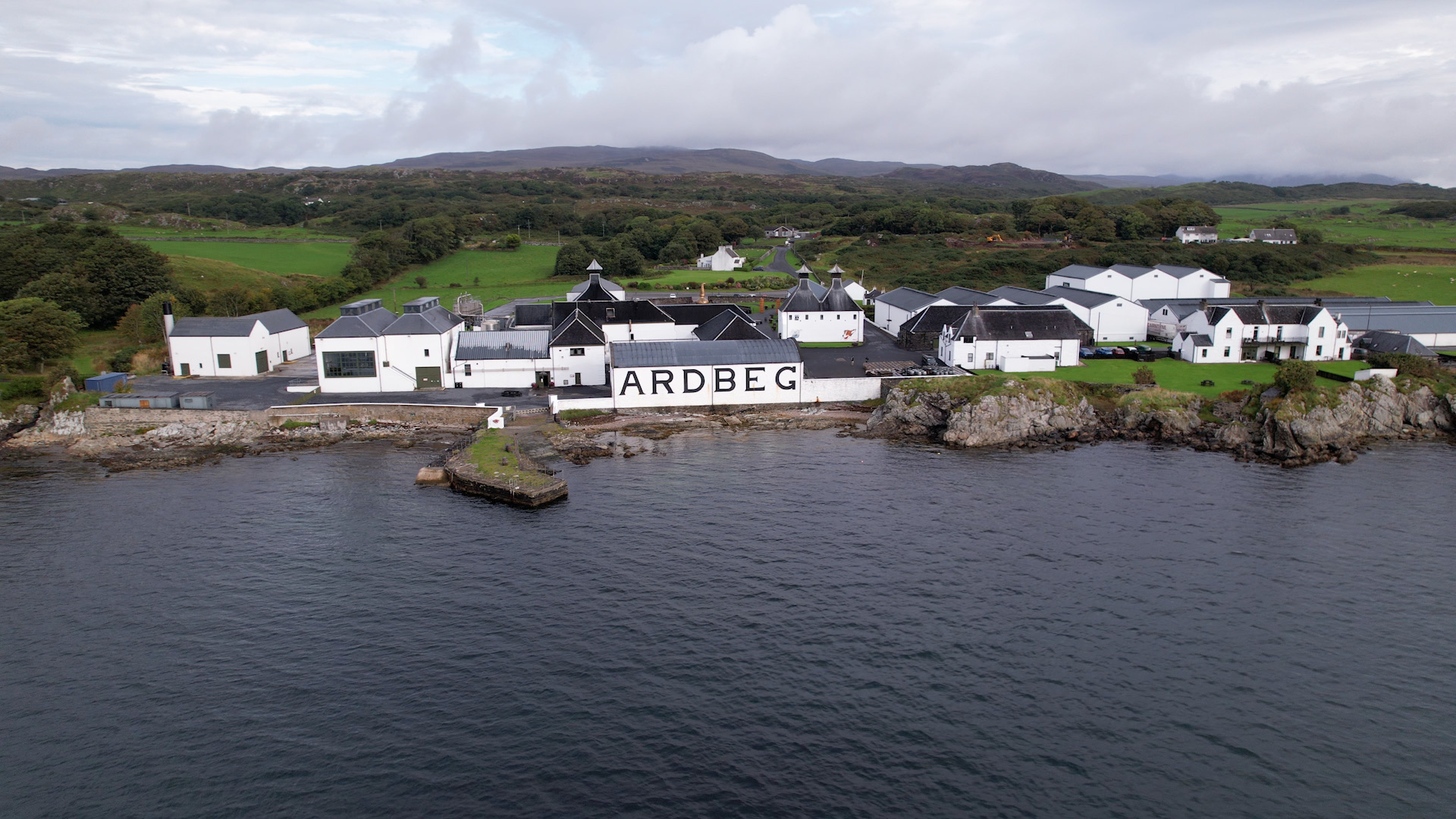
Plenty of places have hills. Few have this combination of coast, lochs, stone and weather, all stacked within a two-hour drive of each other. From above, Scotland reads like a storyboard that drew itself: a single coastline shot can hold a distillery, a pebble beach and the Atlantic in one frame. For brands and broadcasters, that means a location can do the persuading for you. Good aerial photography on the Scotland side is less about flying high and more about choosing what the audience meets first.
It is also worth saying that Scotland rewards planning more than most places. Weather moves fast, light moves faster, and the gap between a usable flying window and a washout can be an hour. Every shot below assumes the boring but decisive work has been done: a recce, a weather watch, permission from the landowner and a plan B that does not waste the day. Get those right and the flying itself is the easy part.
Eight shots worth planning for
1. The establishing reveal
The classic opener. Start tight on a detail, a rooftop, a church spire, a boat mast, then rise and tilt up to unveil the whole setting. It answers ‘where are we?’ in five seconds, which is exactly what the first shot of a film is for. In a city like Edinburgh, where the skyline is the brand, this shot does a lot of quiet work.
2. The tracking approach
Fly smoothly toward your subject so it grows in the frame. It builds a small hit of anticipation and lands the viewer right at the doorstep of a distillery, a hotel or a festival site. Flown slowly, with a steady hand, it is the drone shot that audiences stop noticing as a drone shot, which is the highest compliment it can get.
3. The top-down pattern shot
Straight down, camera level, let the landscape draw itself. Tidal sand, field boundaries, winding roads and harbour moorings all turn into graphic, almost abstract patterns. It is a favourite for title sequences and social cutdowns because it looks designed rather than simply filmed.
4. The orbit
Circle the subject at a constant radius and height. Castles, monuments, boats and buildings all benefit: the orbit proves the place is real and three-dimensional, not a flattering postcard. Done at a low speed it also matches walking-pace ground footage well, which helps when the edit needs the aerials and the interviews to feel like one film.
5. The scale comparison
Put something known in the frame, a person, a van, a herd of sheep, and let the landscape tower over it. Nothing sells the scale of a Highland location faster. For tourism and outdoor brands this is usually the shot that ends up on the poster, because it lets the viewer place themselves in the scene. It is also the shot that most often gets printed, which is where stills from the same flight earn their keep.
6. The low and slow
Not everything aerial has to be high. Flying at head height across water, through a gateway or along a single-track road gives you a move no jib or stabiliser can match. It reads as energetic and modern, which suits sport, events and youth-oriented brand work. It is also the move that most needs a second pair of eyes on the ground.
7. The golden-hour skyline
Scottish light is a genuine asset if you plan around it. In November the sun spends the day low, which means long shadows and warm side-light for most of working hours. A skyline shot at sunrise or sunset, city or countryside, gives an edit its emotional anchor. We plan flight windows around the light, not the other way round.
8. The closing pull-back
The mirror of the reveal. Start close on the person, product or moment, then rise away until the landscape swallows the frame. It is a natural ending, the visual equivalent of a final chord, and it saves the editor from having to invent an outro. If a script only budgets for one aerial setup, this is the one we argue for.
Stills and video from the same flight
One of the quiet advantages of a professional drone day is that you get more than moving footage. Between takes we grab high-resolution stills from the same positions, which gives the client a library of aerial photography for press, web banners and social without another day’s hire. For a campaign that needs both film and print, it is the most efficient flight you will ever book. It also keeps the look consistent, because the stills and the film share the same light, the same weather and the same day’s mood.
A standard you can see
None of these shots matter if the film around them is thin. To see what we mean, have a look at the brand films we made for Ardbeg’s Rollercoaster launch, shot across Edinburgh and Islay on some genuinely wild weather days. While this film was made for a different brief, it shows exactly the standard we bring to aerial work in Scotland: real locations, a small sharp crew and coverage planned around whatever the sky is doing that day.
Watch the film: Filming Ardbeg – The Rollercoaster Brand Films, and read more about the project on the case study page.
Flying legal, flying safe
The rules are not decorative. Every commercial flight needs a qualified pilot with the right CAA operator and flyer IDs, insurance in place, and a plan for people, roads and livestock below. Landmarks and estate grounds often need permission too, and sites such as Edinburgh’s Old Town have their own sensitivities. We set out the practical rules in our guide to drone filming in Scotland, and the same checklist applies whether the day is one flight or forty. Industry bodies such as Screen Scotland and Film Edinburgh are also useful starting points for anyone planning to film here.
Bringing it together
Aerial photography earns its keep when it is storyboarded like any other shot: chosen, motivated and flown with intent. If you are planning a shoot in Scotland and want aerials that hold their own next to the ground coverage, BrightWolf Films can look after the lot, from recce to delivered masters. You can see the full range of our video services, or get in touch and we will happily talk through your locations before you commit to a shooting day. The best time to plan the aerials is alongside the ground coverage, not after it, and a short conversation early usually saves a shooting day later.


