
Filming Production in Scotland: 8 Stages Explained
Every film you have ever admired looked effortless on screen and took a small army to make. Filming production in Scotland follows the same eight stages whether the job is a thirty-second whisky commercial, a two-year conservation documentary or a music video in a Glasgow warehouse. At BrightWolf Films we run these stages on every job, big or small, and knowing them helps clients plan budgets, calendars and expectations with far fewer surprises. Here is what actually happens, stage by stage, from the first phone call to the final file.
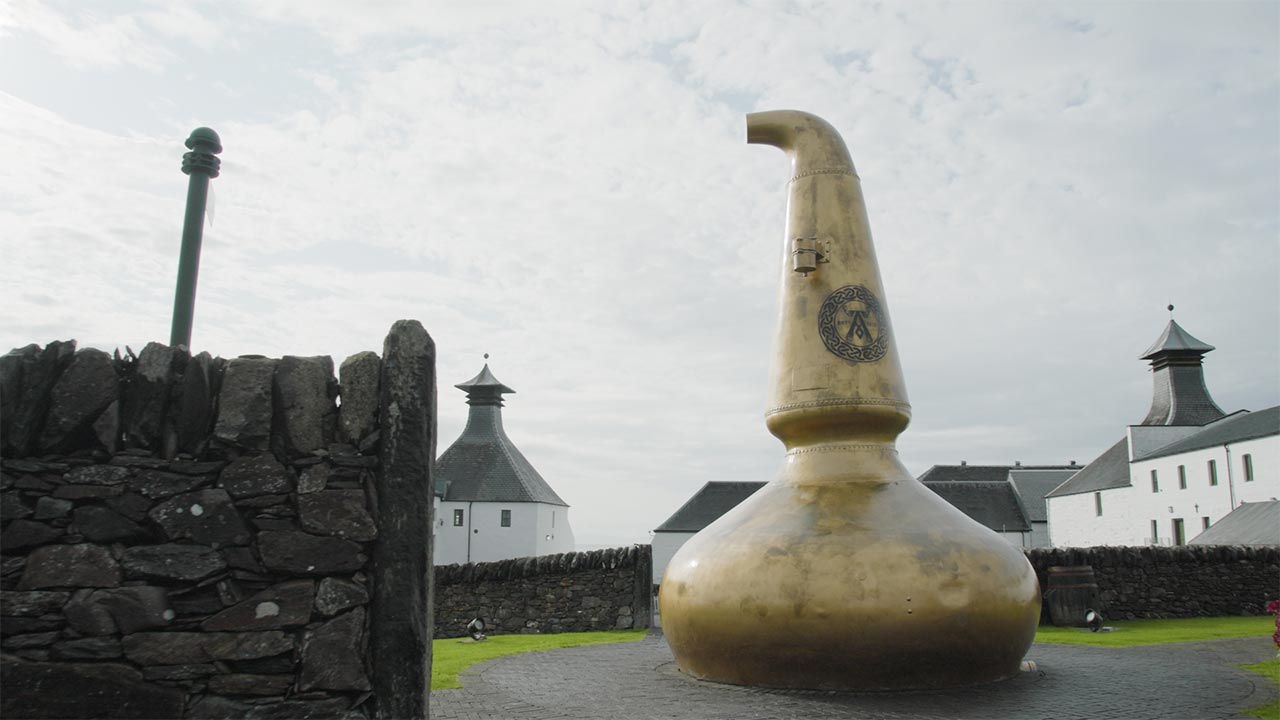
Filming production in Scotland: the eight stages
No two jobs run identically, but the skeleton underneath them barely changes. Understanding the skeleton is useful whether you are a marketing manager commissioning your first campaign film or a brand team comparing production companies. It also explains why good producers ask the questions they ask, and why the answer to ‘can we just shoot it next week?’ is usually a polite explanation of stages one to five. It is also why two quotes for the same film can differ wildly: they are rarely pricing the same film.
Stage 1: The brief and the budget
Everything starts with a conversation. What is the film for, who is it for, where will it live and what does success look like? From those answers a production company shapes options at different budget levels, often trimming the ambition to fit the money rather than the reverse. At BrightWolf Films we are direct about what money buys at each level, because a budget that is honest on day one prevents disappointment on delivery day. This is also where usage comes up: how long the film will run, on which channels and in which territories, because those rights genuinely shape the numbers.
Stage 2: Development and the treatment
Next the ideas arrive. A treatment sets out the creative approach, visual references, a rough structure and the practical thinking behind it. This is the stage where a production partner earns trust, because it is easy to write something pretty and much harder to write something pretty that can actually be filmed in Scotland in February. Expect questions about audiences, tone and the one message the film must land. If a treatment does not mention how it will be made, ask why not.
Stage 3: Pre-production and scheduling
Once a treatment is approved, planning goes into overdrive. Casting, crew booking, kit lists, insurance, risk assessments, call sheets and a shooting schedule that sequences the most weather-dependent scenes first. Good pre-production is invisible on screen but obvious on set: the day flows because somebody spent weeks making it flow. For clients, this stage is mostly answering questions, and prompt answers here save real money later. It is also the moment to lock dates with any specialists, because the best drone pilots and Steadicam operators book out early, and to plan contingency days around Scottish weather. A schedule with no slack is not a schedule; it is a wish.
Stage 4: Locations and permissions
Scotland’s locations are world class, and each one brings paperwork. Councils, landowners, estates and venues all have their own processes, and lead times vary. A recce, a proper visit to each location, locks practicalities like parking, power, access routes and sightlines before the shoot day rather than discovering them on it. Bodies such as Screen Scotland and city film offices make this easier, and experienced producers build the relationships that get quick yeses. In twenty years of filming production in Scotland, we have learned that the location is never just a backdrop; it is a colleague with opinions.
Stage 5: Crew and kit
Then the team comes together: director, producer, camera, sound, lighting, art, styling and any specialists the job needs, from drone pilots to underwater operators. Scotland’s crew base is deep, supported by training routes such as NFTS Scotland, which means productions can staff up locally rather than importing every role. Kit is matched to the creative rather than the other way round; the right lens and the right light matter more than the newest box. Local crew also arrive with local knowledge, which quietly de-risks every exterior on the schedule.

Stage 6: The shoot itself
Shoot days are a strange blend of military logistics and improvisation. The schedule holds until it does not, and then the producer, director and first assistant director solve problems in real time. Weather, members of the public and the star’s late train all feature. What clients remember afterwards is usually how calm the set felt, and calm is a direct product of stages one to five being done properly. On the Ardbeg Rollercoaster films we filmed in Edinburgh and on Islay with weather that rewrote the plan hourly, and the shoot still landed because the plan was built to bend.
Stage 7: Post-production
After the last card is backed up twice, the film is assembled: edit, sound design, colour grade, graphics and music licensing. This is where pacing and emotion are truly built, and it deserves more calendar time than clients expect. A well-graded Scottish landscape can carry a whole campaign, and a well-mixed soundscape can make a warehouse feel like a cathedral. We keep clients in the loop with review cuts so the film that gets signed off is the film everybody pictured back at the brief.
Stage 8: Delivery, launch and usage
Finally the masters are delivered in the right formats and specs for every platform, from broadcast deliveries to vertical social crops. Clever productions plan for this at stage one, shooting extra coverage so one filming day can feed months of content. Then the film goes to work, and a good production company stays available for cutdowns, tweaks and the questions that surface once real audiences meet the film. Usage renewals come round faster than anyone expects, so keep the paperwork where you can find it.
Watch the work: Ardbeg – The Rollercoaster
That is the whole journey, and it is easier to see than to describe. BrightWolf created the launch films for Ardbeg’s The Rollercoaster whisky, telling the distillery’s history and its spirit of resilience across filming in Edinburgh and on Islay. While this film was made for a different brief, it shows exactly the standard we bring to filming production in Scotland, from first scout to final grade. You can watch the films below and read more on our Ardbeg The Rollercoaster portfolio page.
Watch the film: Ardbeg – The Rollercoaster brand films
Bringing it all together
Eight stages, one goal: a film that works as hard as the brand behind it. If you are planning filming production in Scotland and want a team that runs all eight stages in-house, from treatment to delivery, that is exactly what we do at BrightWolf Films every week. Have a look at our branded content work to see the approach applied across campaigns, or get in touch and tell us what you are trying to make. Whether the job is one camera for a day or a multi-unit shoot across two cities, the eight stages scale up and down to fit. The earlier we are in the conversation, the further your budget goes, and the calmer your shoot days will be.


