
Drone Filming Scotland: 7 Rules for Great Aerials
Drone filming Scotland searches have a particular flavour: someone has seen what a good aerial shot does for a film – a castle on its crag, a distillery against the sea, a winding single-track road – and wants to know how to get it properly. The gap between great drone work and a dodgy tilt-up over a car park is mostly discipline, not hardware. BrightWolf Films shoots aerial work across Scotland with CAA-registered pilots and has learned, usually the windy way, what separates the two. Here are the seven rules we work to.
1. Get the paperwork right before the creative
UK drone law is not complicated, but it is not optional. Every commercial drone operation runs under the Civil Aviation Authority’s framework: pilots hold a flyer ID, the operator holds an operator ID displayed on the aircraft, and any drone above the lightest category needs a qualification such as the A2 Certificate of Competency or the full General Visual Line of Sight Certificate. The Drone Code basics apply everywhere: stay below 400 feet (120 metres), keep the drone in unaided sight, and never fly over crowds. Build those facts into the schedule rather than discovering them at the location.
2. Plan around the wind, not the shot list
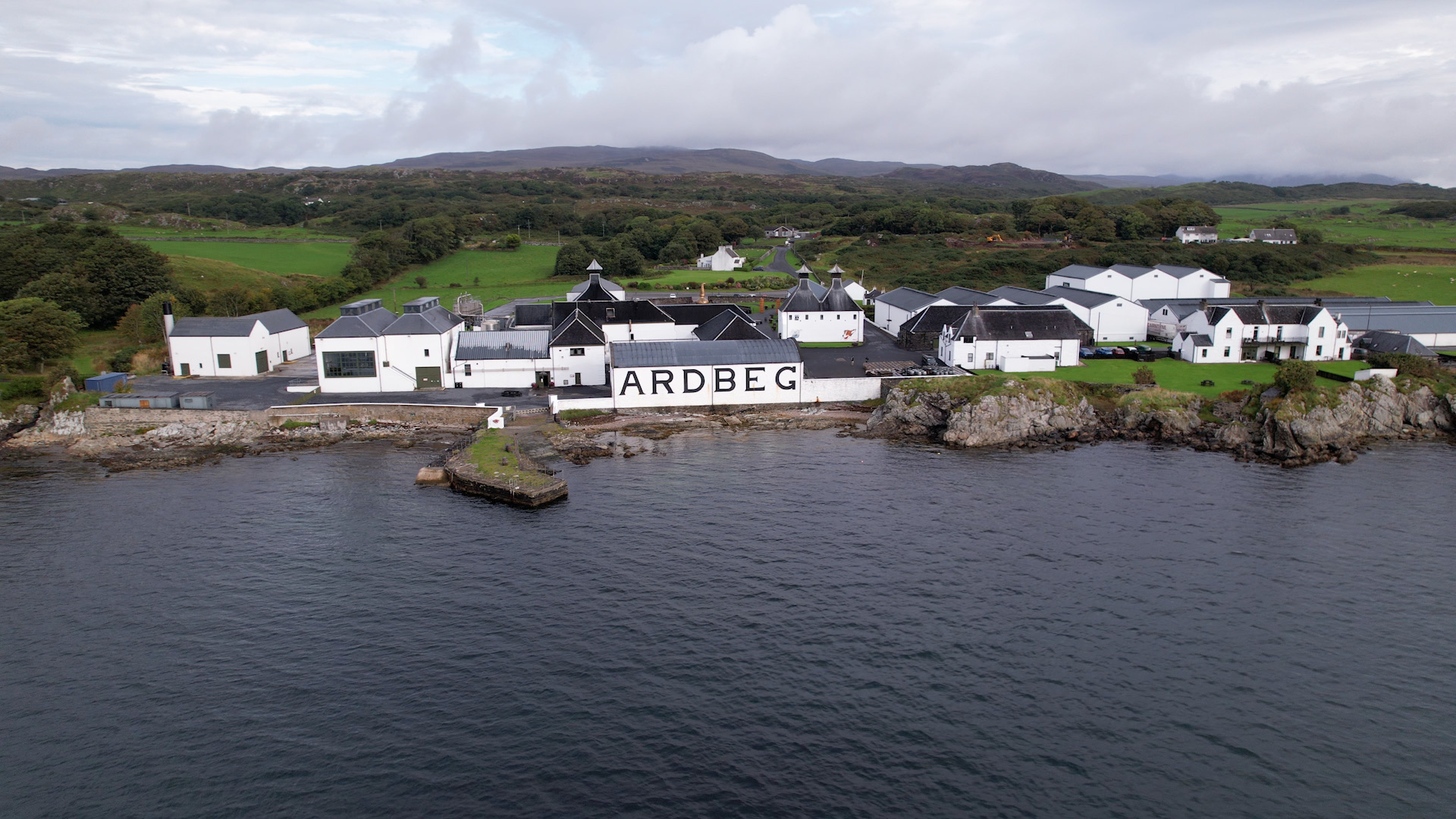
Scotland’s scenery is made by the same weather that wrecks drone schedules. Coastal wind on Islay or the north-east coast can ground even well-built aircraft, and rain is a hard no for most kit. A good aerial plan has a weather window, a cover option and a producer who will move the call time rather than gamble the aircraft. We have shot whisky campaigns on Islay where the whole day was rebuilt around two hours of calm; that is normal, not failure.
3. Chase light, not just altitude
The most common mistake in drone filming is treating the aircraft as a high-altitude camera. The shots that stop the scroll are usually low and slow: skimming a loch at dawn, threading a harbour wall, rising over a roofline to reveal the view behind it. In Scotland the light does half the work if you let it – low winter sun, long summer evenings, weather fronts that push dramatic cloud across the frame. Shoot the golden hours, keep midday hero shots to a minimum, and your aerials will look twice the price.
4. Think in sequences, not single hero shots
A lone epic wide rarely survives contact with an edit. Plan aerials as sequences – establish, approach, reveal – that cut against your ground coverage, and shoot a version of each move at two heights and two speeds. Editors forgive a lot for that flexibility. It is also worth deciding during prep what story the aerials tell: isolation, scale, journey or heritage. Scotland can deliver all four in a single day’s drive, which is precisely the problem – without a story, you come home with a hard drive of pretty cousins.
5. Check consent where it counts
Flying legally is not the same as flying freely. Landowner consent applies to take-off and landing sites, scheduled monuments and sites managed by bodies such as Historic Environment Scotland need specific permission, and busy council areas expect you to coordinate with the local film office. If your shoot touches a city street, a castle or an estate, fold aerial permissions into the main permit paperwork early. It is far easier to ask in week one than to explain in week four why the castle shot is missing.
6. Carry insurance that actually covers drones
Public liability insurance for drone work is a specialist product, and the corner where it matters – damage or injury caused by the aircraft – is exactly the corner clients assume is covered by whatever policy the production already holds. Check the aviation cover, check the pilot’s own policy and check the excess. Nobody remembers the premium after a good shoot; everyone remembers the policy that did not respond after a bad one.
7. Know when a drone is the wrong tool
Sometimes the honest answer is to leave the drone in the van. Drones are loud, they cannot safely work in crowds or tight interiors, and in intimate drama or interview work their presence can wreck the sound and the mood. A jib, a long lens or a good pair of legs up a hill often serves the film better. The real skill in drone filming Scotland wide is knowing which tool the shot actually needs, not flying simply because the aircraft is on the kit list.
Where drone filming earns its place in Scottish production
Used well, aerials pull their weight across almost everything we shoot: establishing a distillery on its coastline, revealing the scale of a construction or infrastructure project, giving a music video its widescreen swagger, or showing a conservation project the size of the landscape it protects. The pattern is consistent – the drone earns its place when it tells the story’s scale, not when it decorates it.
Case study: drone and live streaming at the Lighthouse launch
Glenmorangie’s Lighthouse Distillery launch is a good example of aerial work sitting inside a wider production. BrightWolf Films provided live streaming and event coverage for the launch, managing outside broadcast, interviews and on-site filming, with drone work capturing the distillery in its coastal setting. While this film was made for a whisky brief, it shows exactly the standard we bring to drone filming in Scotland: aerials planned as part of the story, not bolted on afterwards.
Watch the film: Glenmorangie Lighthouse Launch
You can read more about the project, including the drone and live streaming side, on our filming in Scotland with drone and live streaming page.
A quick word on kit and quality
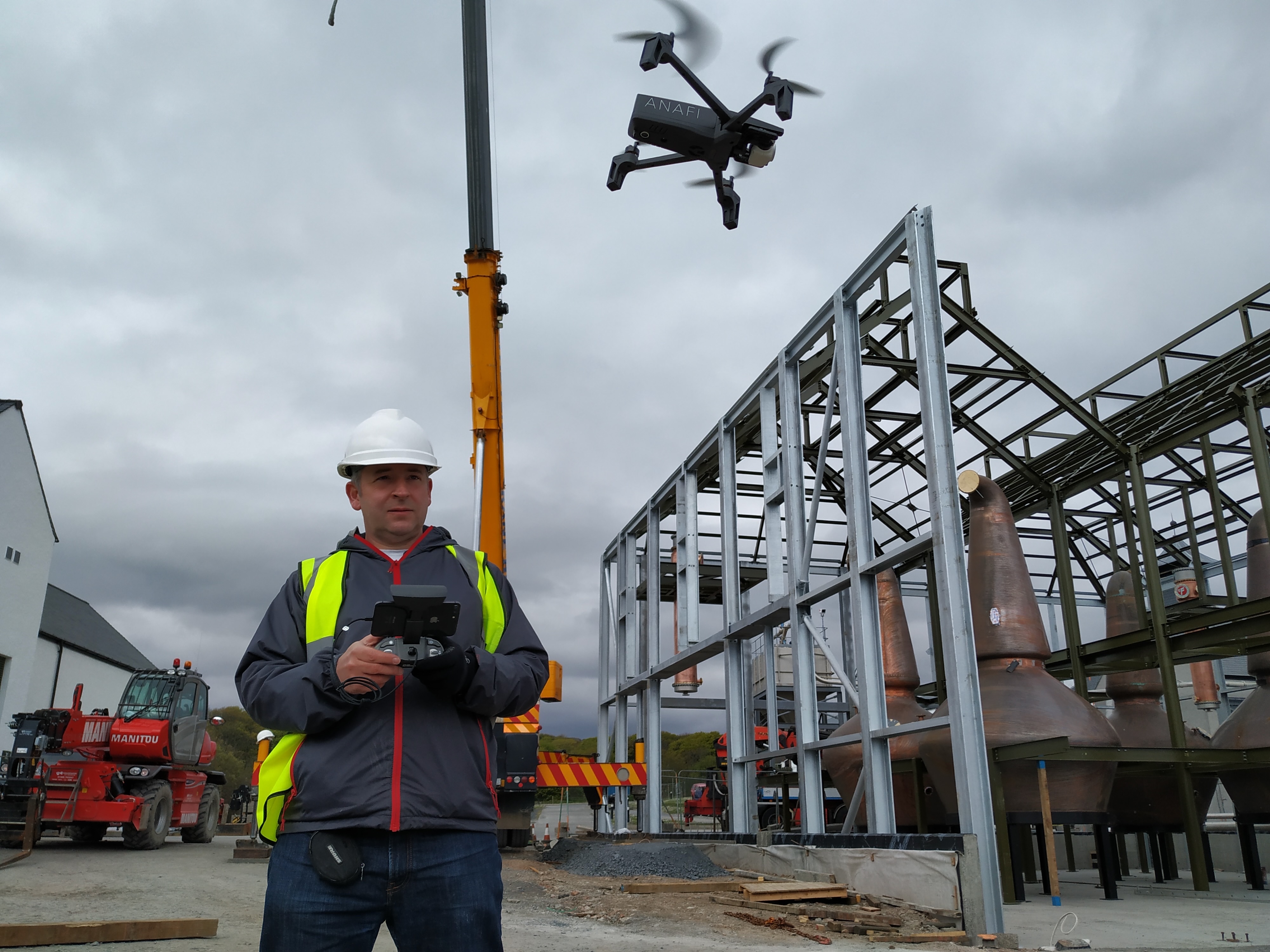
The drone market has matured to the point where professional aerials no longer need a helicopter and a week of prep. Modern pro aircraft shoot high-resolution, stabilised footage that cuts cleanly beside ground cameras, and a single operator can cover setups that once needed a full crew. What has not changed is the craft around the aircraft: exposure discipline against big Scottish skies, matching the drone’s picture profile to the rest of the footage, and flight planning that respects both the law and the weather. When you compare quotes, ask what the operator shoots alongside the aerials and how the footage will be graded – a drone shot is only as good as the film it has to live inside.
Working with film offices and landowners
Most aerial shoots in Scotland touch public land, water or historic sites at some point. Screen Scotland is the national body championing filming and a useful first port of call for productions new to the country, while Film Edinburgh handles the capital’s filming services from permits to crewing. Build their timelines into your schedule and aerial permissions stop being a stress.
Where BrightWolf Films fits
BrightWolf Films shoots aerial and drone work across Scotland with CAA-registered pilots and full aviation insurance, alongside our full production and live streaming work. If you are planning drone filming in Scotland, start with our video services overview, see how we use aerials in commercial and advertising filming, and read our in-depth guide to drone filming services in Scotland for the client-side view.
Bring us the location, the date and the story, and we will tell you honestly what the aircraft can add – and when it should stay in the van. That candour, as much as the flying, is what makes drone filming in Scotland work.


