
Production Support Scotland: 8 Things It Covers
Search for production support Scotland and you are usually a producer, agency or brand marketing team with a shoot landing in Scotland and a gap to fill: crew, kit, permits, transport or all four at once. Production support is the discipline of filling those gaps so the creative never stalls. Get it right and the shoot feels almost boringly calm. Get it wrong and you spend the day solving logistics instead of making a film. BrightWolf Films provides exactly this kind of support for visiting teams and local clients alike, so here are the eight things a good Scottish production support partner should cover.
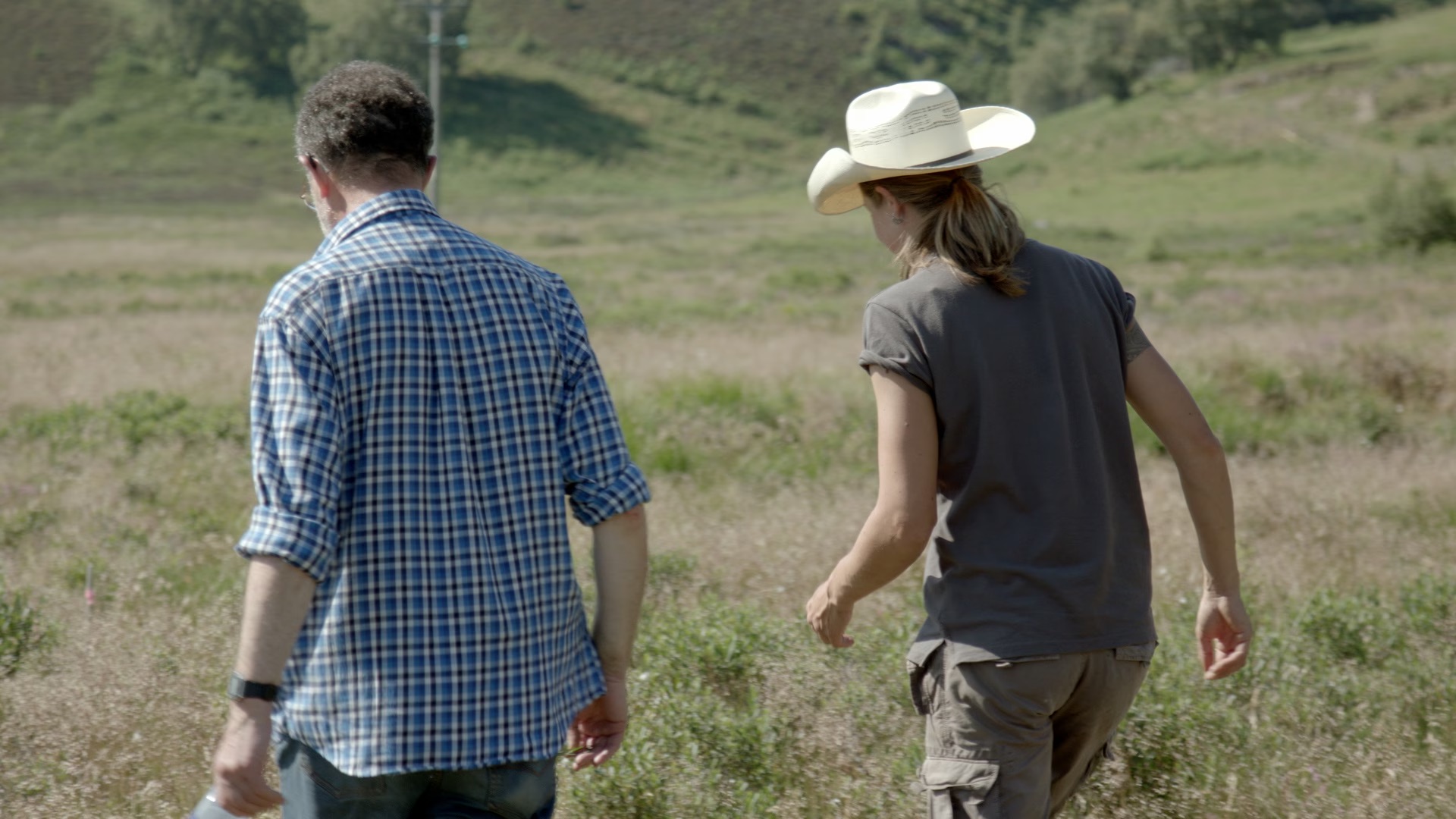
What production support in Scotland actually means
The phrase covers a spectrum. At one end it is a single fixer with a van and a contacts book. At the other it is a full service production department running an inbound campaign alongside the visiting agency. Most jobs sit in between: a small core of experienced local people who take the production problems off your desk and solve them before you notice they existed. The eight areas below are what that support looks like in practice, and they are a fair checklist for anyone comparing partners.
1. Crewing the shoot
The first and biggest job is people. A production support partner should field a bench of trusted camera operators, sound recordists, gaffers, production assistants and drone pilots, and know exactly who suits a corporate interview versus a music video versus a broadcast commercial. In a small market like Scotland the difference between a good crew and a great one is often one phone call, and a partner who has spent years building that contacts book can make it.
2. Kit and equipment
Cameras, lenses, lighting, grip, sound and drones: a support partner either owns a sensible core of kit or has standing relationships with the rental houses that do. That matters most when something breaks, because a spare body and a spare camera need to arrive before the light goes. Ask what is held in-house and what is hired in, and how the partner handles a mid-shoot equipment failure.
3. Permits, permissions and paperwork
Filming in Scottish cities usually means permits from the local authority, and rural or coastal locations can add estate permissions, landowner agreements and sometimes Historic Environment Scotland consent. A support partner who works with the film offices every week knows which council needs what notice, what costs nothing and what needs insurance schedules attached. That knowledge quietly saves days.
4. Locations and access
Scotland has the locations, but finding the right one with power, access, parking and a plausible weather plan is a skill. Good production support includes scouting, recce notes, alternative options and the relationships that open doors, from private estates to working distilleries. It is the difference between a location that looks right on a phone screen and one that actually works for a full crew day.
5. Transport and unit logistics
Distances that look short on a map can eat a crew day, so support partners plan unit moves, fuel, parking, accommodation and catering with real journey times baked in. A Highland location can be three hours from the central belt on a single-track road. Whoever builds your schedule should know that without checking, and should build in the extra hour for the van behind.
6. Weather cover and contingency
Scotland is gorgeous and unreliable, often in the same afternoon. Solid production support means cover sets, indoor alternatives, flexible call sheets and a producer who watches the forecast like a hawk in the days before the shoot. You cannot control the weather, but you can plan around it, and that planning is precisely what you are buying.
7. Local knowledge and film office relationships
Screen Scotland champions filming across the country and helps productions navigate funding, locations and studio space, while Film Edinburgh supports productions shooting in the capital, from permits through to local crewing. A support partner who works with these bodies and the regional film offices regularly can move paperwork and unlock access far faster than a visiting team working from a directory.
8. Rushes, cutdowns and post support
Increasingly the job does not end when the shoot wraps. Many visiting clients want rushes reviewed the same evening, offline edits started locally or social cutdowns turned around while the campaign team is still in the country. Production support should cover a clear workflow for backing up footage, delivering it home and, where needed, taking the edit as far as the client wants.
Why this matters: a quick example
BrightWolf has made films for the ParentClub campaign from the Scottish Government, including the Moment of Calm commercial, which needed tight turnaround, remote-direction workflows and broadcast delivery all at once. It is a fair illustration of what production support looks like when it works: the client team stayed focused on the message while the logistics, crewing and delivery happened around them.
Watch the film: ParentClub – Moment of Calm
While this film was made for a public health campaign rather than a brand shoot, it shows exactly the standard we bring to production support: dynamic camera work, calm direction and delivery that lands on time. You can read more about the project on our ParentClub Moment of Calm case study, and the behind-the-scenes story of its streamed live edit suite is on the BrightWolf stories page.
When production support beats a full-service production
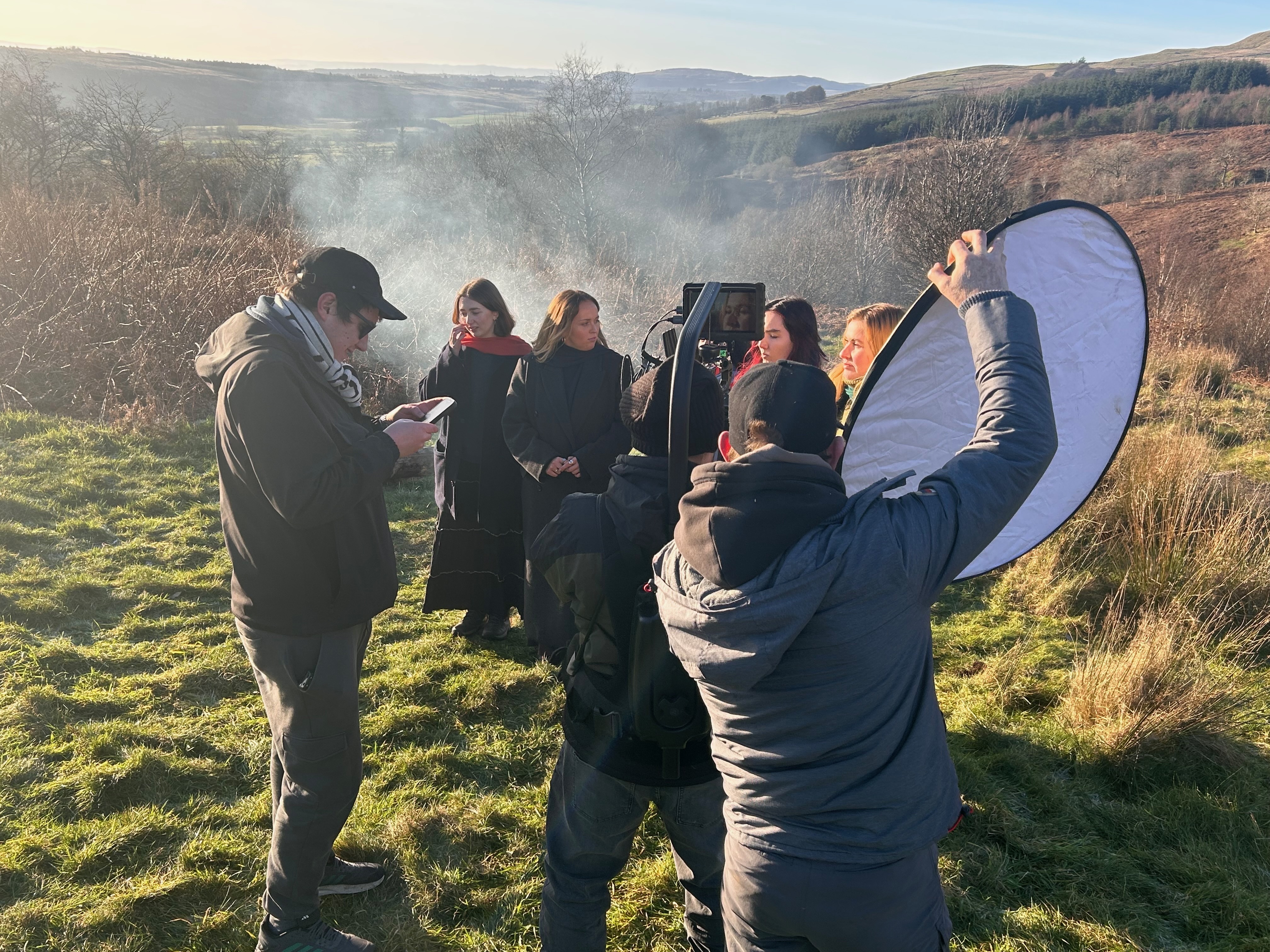
If your creative is already signed off and your own director or agency team is flying in, full creative development may be redundant. What you need is a Scottish partner who can crew, permit, transport and problem-solve, then hand rushes back to you. That is the sweet spot for inbound service production, and it is the model BrightWolf Films runs for visiting agencies and brands – you can see how we handle it on our inbound serviced productions page. Conversely, if you need the idea developed as well as delivered, look for a partner who can do both and be honest about where the handover sits.
How to brief a production support partner
Three things make a brief useful. First, dates and location ambitions, even if approximate, because crew availability and weather patterns shape everything. Second, the deliverables: how many films, cutdowns or stills, and where they will run, because usage shapes budget and rights. Third, the constraints: approvals, budgets, access requirements and anything fixed in stone. A good partner will respond with questions rather than a quote, and those questions will tell you as much about them as their showreel.
One more thing worth asking: what does the partner do when everything goes right, too? The best support partners think beyond the shot list to the delivery versions you will need, the stills the marketing team forgot to request and the second camera that would have been useful on the day. That forward thinking is often what separates a supplier from a genuine production partner.
Where BrightWolf Films fits
BrightWolf Films is an Edinburgh-based production company providing production support across Scotland and beyond, alongside full creative production for brands, agencies and broadcasters. If you are weighing up production support Scotland has to offer for an upcoming shoot, start with our Edinburgh video production page or our video services overview, and tell us what you are making, where and when. The most useful support is the kind you barely notice, and that starts with a short honest conversation.


